
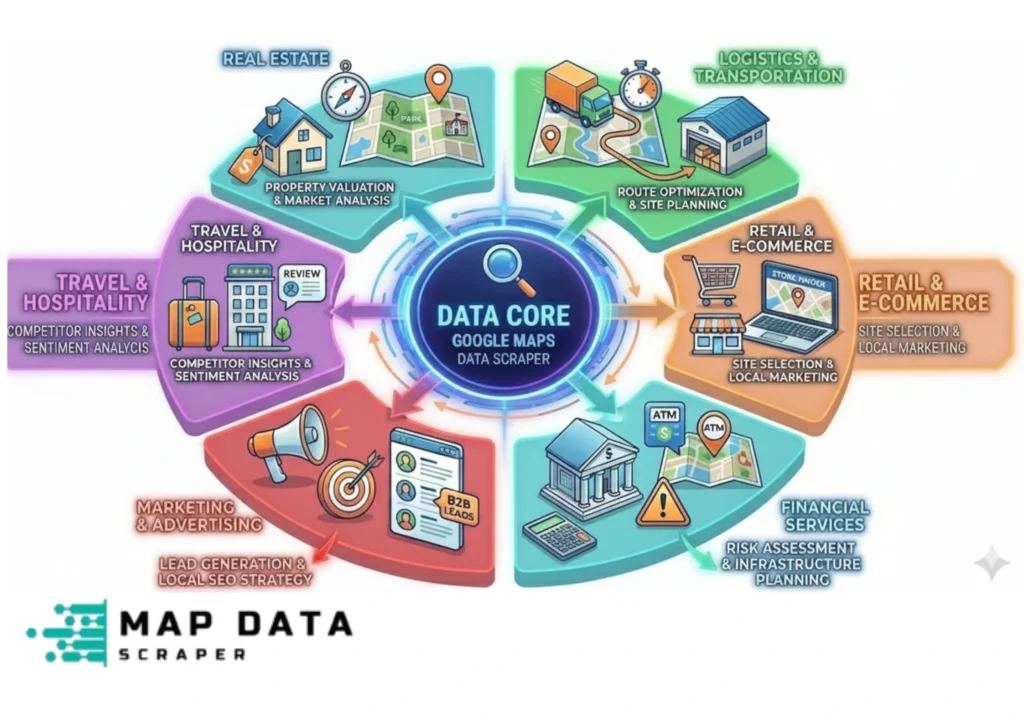
Benefits of Google Maps Data Scraper
Table of Contents
Introduction
Some industries rely more on spreadsheets, manual prospecting, or random market targeting. It causes a major issue cause everyone in the market is looking to improve their sector to be able to compete for bigger profit and exposure of their brands, both in physical and online presence.
Industries that use location-based intelligence have endless opportunities for business innovation and development. The usage of Google Maps for providing substantial information for businesses is crucial for benchmarking against their competition. But the real issue is that most of its users underutilize Google Maps; they barely scratch the surface of what they can extract, automate, and scale.In comparison with other businesses, Google Maps is exploited and uses tools such as Google Maps Data Scraper that improve overall data extraction and can be used at scale with minimal effort and less expense. Manual entry of data extracted, such as names, phone numbers, emails, addresses, and more, is converted to a clean and structured dataset for a more comprehensive business intelligence.
This article deals with the Google Maps Data Scraper that can help the top industries with a highly beneficial use case and can contribute to overall actionable insights, strategic planning, and marketing campaigns. Real-time business insights that cover location-based information become a powerful asset for sales, marketing, and operational intelligence.
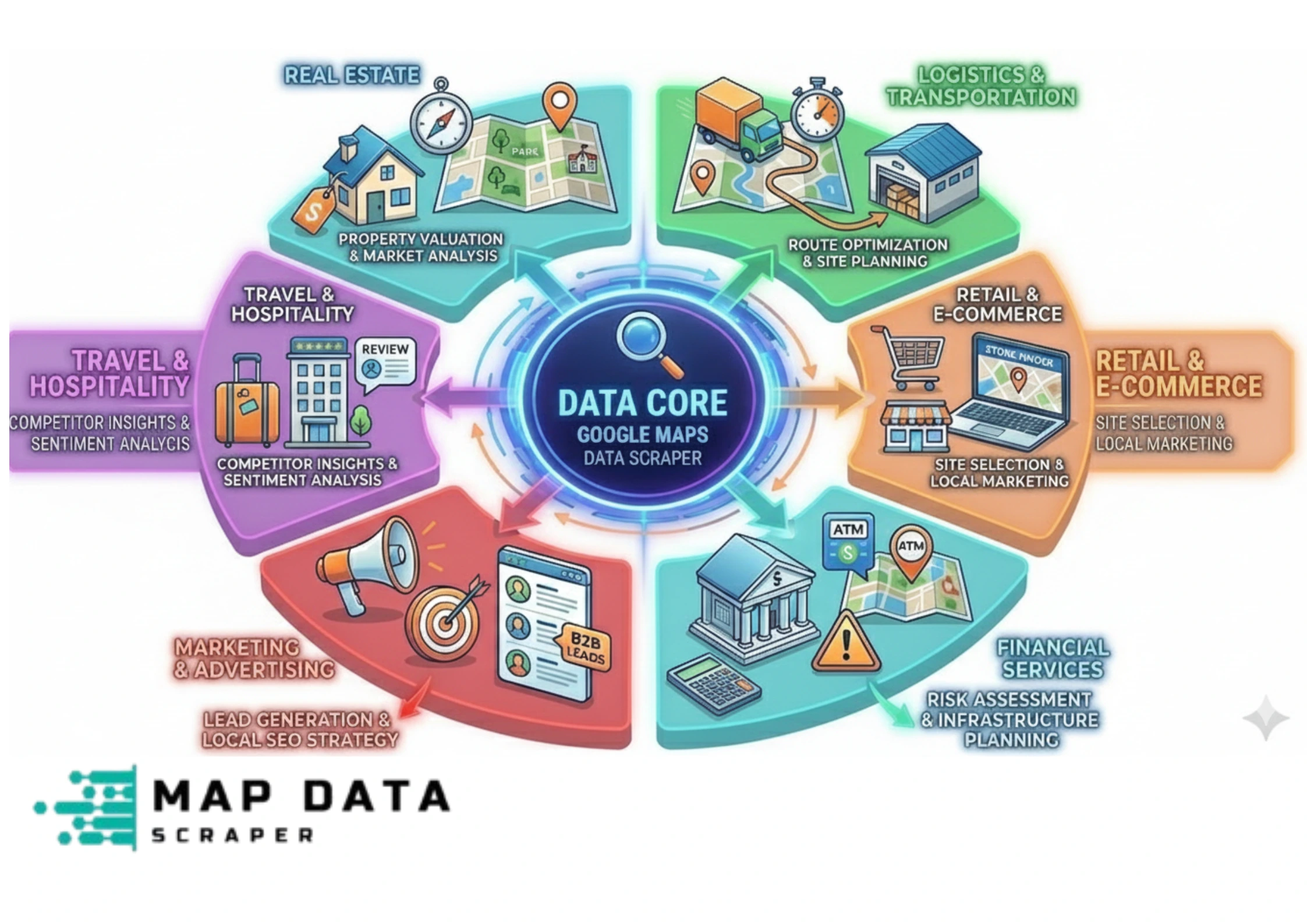
Industries That Can Benefit the Most From Google Maps Data Scraper
Lead Generation Agencies
Lead Generation is one of the most demanding industries, especially in finding qualified leads, not just for profit but also to partner with leads that have high profiles. Lead Generation Agencies specializes in identifying, attracting, and nurturing potential customers, turning them into paying customers.
How Can They Benefit:
- Build a target market list in minutes. An enriched dataset that filters qualified leads that covers segments into localized business transactions.
- Sorting leads based on categories, ratings, or locale (frequency of people in the area), location potential, etc. Allowing industries to make decisive moves based on location intelligence.
- Can automate data extraction, getting the customer’s name, address, phone numbers, email, etc. The use of API Integrations improves data extraction and helps in CRM for businesses.
SaaS Companies Targeting Local Business
Businesses use SaaS (Software as a Service) for CRM tools, POS systems, and scheduling apps, which are literally dependent on location intelligence provided by Google Maps itself.
Practical Applications:
- Identify markets with a high density of the business’s ideal customers.
- Launch geo-targeted sales campaigns tailored to high-potential segments.
- Benchmarking areas with lower competition penetration to expand product and service offerings.
Enterprise Sales Team
The enterprise sales team plays a vital role in doing competitive business, especially in the verification of potential leads and customers. Google Maps provides up-to-date business intelligence that provides a checklist that should be checked and reconsidered before any major decision.
A must-have Checklist for Enterprises:
- Knowing the active and inactive businesses within the targeted area. It helps to benchmark which are effective and which are ineffective to set up a business.
- Branch counts should also be considered, as they help to improve distribution and logistics.
- Corporate and franchise models are not popularized, but it’s an option for an enterprise to expand. Whether it is to have control over overall operations or to allow franchisees to have the management rights, but with specified fees.
- Business operational hours are also vital in supporting the planning and strategic marketing.
Accordingly, “location intelligence increases enterprise sales by up to 25%” (Gartner, 2023).
Freelance Digital Marketers & SEO Specialists
Freelance Digital Marketers and SEO Specialists have a significant use of Google Maps. SEO is assumed to be knowing the keywords alone, but according to Moz (2023), “In reality, local signals and business metadata drive nearly 46% of all local search decisions.
Use Cases
- Identify competitors who dominate in local rankings. They can check the gap in their products or services and take advantage of it.
- Discover markets underserved by digital marketing and meet the needs.
- Offer audit-based services to low-rating or low-review clients.
Real Estate Investors & Property Developers
Real estate decisions depend on the accuracy of the datasets. It also helps to identify potential buyers or partners in land development. It is also able to map out the locations that are good for investment and ongoing development that may attract more investors.
How They Use Scraped Data
- Measure commercial activity within the specified area. Allowing real estate agents to weigh whether it is suitable for residential or business establishments.
- Analyzing nearby amenities would become one of the hooks for potential customers. Areas with amenities such as restaurants, malls, schools, a hospital, and other institutions became an asset to upsell the property.
- Another upsell feature is the neighborhood, to a much higher-end or high-class society, usually owned by celebrities, tycoons, or billionaires. As a result, the prices of everything would be more extravagant, but with more benefits (amenities) and exclusivity on the property.
Logistics, Delivery, and Operational Management
Logistics, delivery, and operational management are highly dependent on routing maps to lessen travel time and find the safest route to deliver goods. So the need for having a precise address and location coordinates is a must.
Key Benefits
- To map out delivery routes, ensuring the safest yet quickest way to deliver goods. It helps in production, especially if the raw materials are gathered and processed for the business’s production.
- It is also necessary to identify potential partner stores that would help in distribution and would enable expansion.
- Validating business operating hours helps the overall operational efficiency and compliance with production time. It also prevents errors and fraudulent activities, which helps with monitoring.
Take Note:
Scraped data isn’t always updated. Logistics teams must cross-check outdated listings to avoid route inefficiencies.
Market Research and Consulting Firms
Marketing research and consulting firms often need to have business intelligence that provides an overall overview of the market landscape. Google Maps provides location-based intelligence, allowing for a substantial dataset that is good for research and analysis.
Best Overview
- Market saturation speaks to the number of customers or potential customers who were able to participate in the strategies for marketing and converted to paying individuals who tried the product or services offered.
- Competition analysis is backed by reviews, ratings, customer feedback, etc., provided by Google Maps. Enabling a comparative analysis between competitors’ best practices and negative feedback that can be used to identify the gaps to address pressing issues in the market.
- Economic Profiling is also a process wherein the analysis and description of financial resources, status, needs, wants, and other economic characteristics. It is helpful for targeted marketing strategies that fit the potential customers.
Travel And Hospitality Sector
Tourism is heavily dependent on customer saturation, feedback, and ratings. There is a 57% that tourists check Google reviews before booking a service, according to TripAdvisor Insights (2023). This was evident to travelers who rely on reviews in Google Maps just to find out which place is more attractive and has suitable scenery based on the traveler’s preference.
Data Analysis Using Google Maps Data Scraper
- Restaurant Chains covers the overall directories of restaurants in a specific area. Google Maps provides a visual representation of the business featuring their physical stores and the products or services offered, with ratings and reviews from customers that boost their online presence.
- Hotel categories enable users to identify the establishment’s star rating. The higher the star rating, the luxurious the amenities may be, and vice versa.
- Review-based customer behavior can significantly affect the number of people who pay to patronize an establishment. It may be considered because of the products, amenities, or services offered.
- Popular tourism hotspots are one of the primary concerns of tourists to visit. They use Google Maps to identify these hotspots and include them in their bucket lists.
Service-Based Businesses (HVAC, Plumbing, Construction, Cleaning)
Industries that are overlooked but have a significant contribution to the US economy. Around $400+ billion covers the U.S. Home Services Market. These industries have a high potential for revenue with little to no competition at all.
How Scraper Helps
- Helps to identify areas where there is high demand and supply. It reduces strain for industries (HVAC, Plumbing, Construction, Cleaning) to find a suitable area for business. And easily address the issues at hand.
- Competition mapping enables the comparison and finding the gap between services and products offered by competitors. In doing so, it is easier to fill in the gaps that others overlooked and make a profit from it.
- Spotting underserved neighborhoods also emphasizes that there are segments that are not served properly or are underserved, which gives marketing opportunities to small-time business owners.
Using Google Maps Data Scraper To Your Advantage
Use Google Maps’ business intelligence with a scraping tool such as MapDataScraper to extract a clean, enriched dataset.
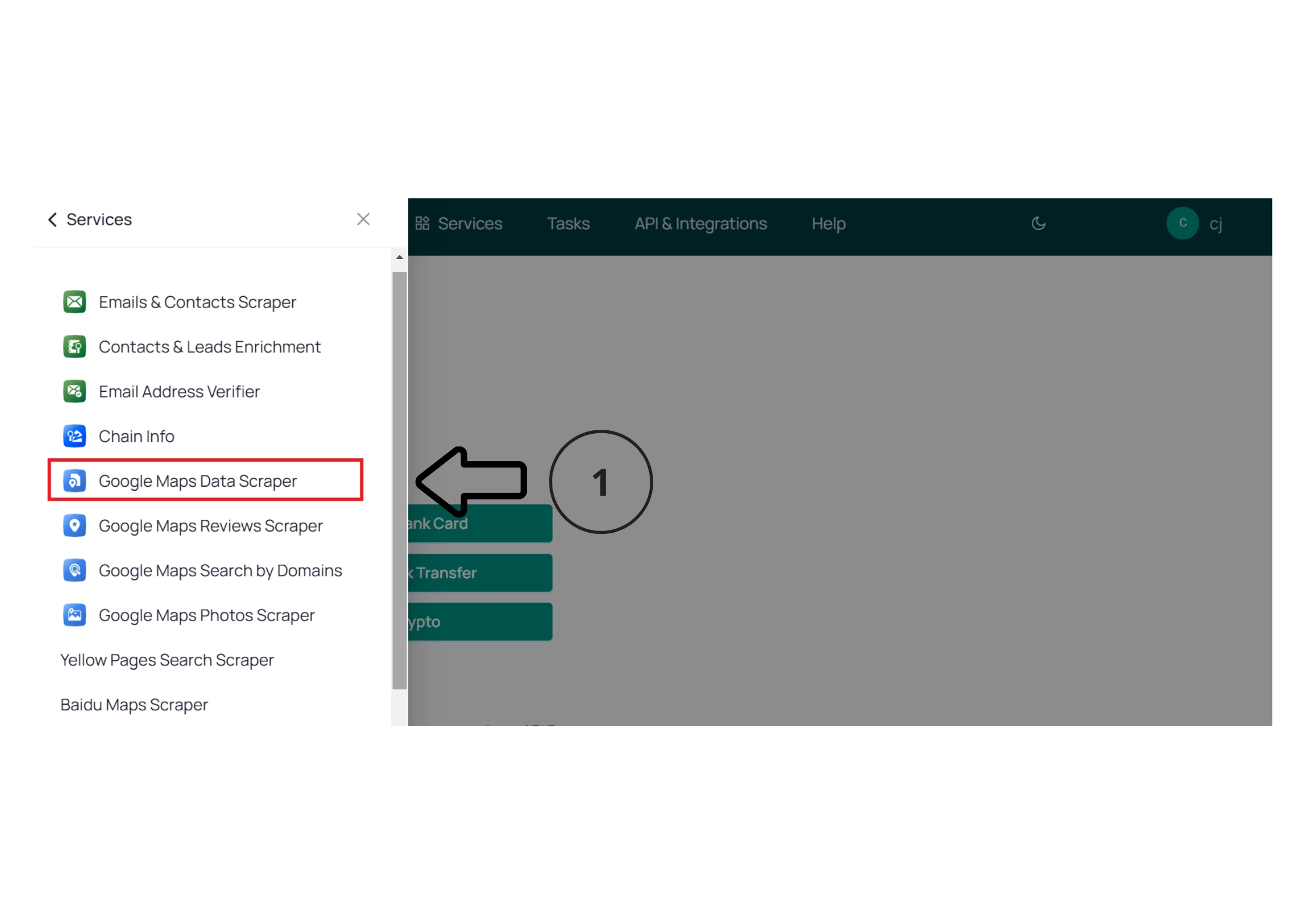
1. Choose Your Scraper
MapDataScraper offers different scrapers for its services. Depending on which is suitable for users’ needs and preferences. Below are the checklists available for MapDataScraper.
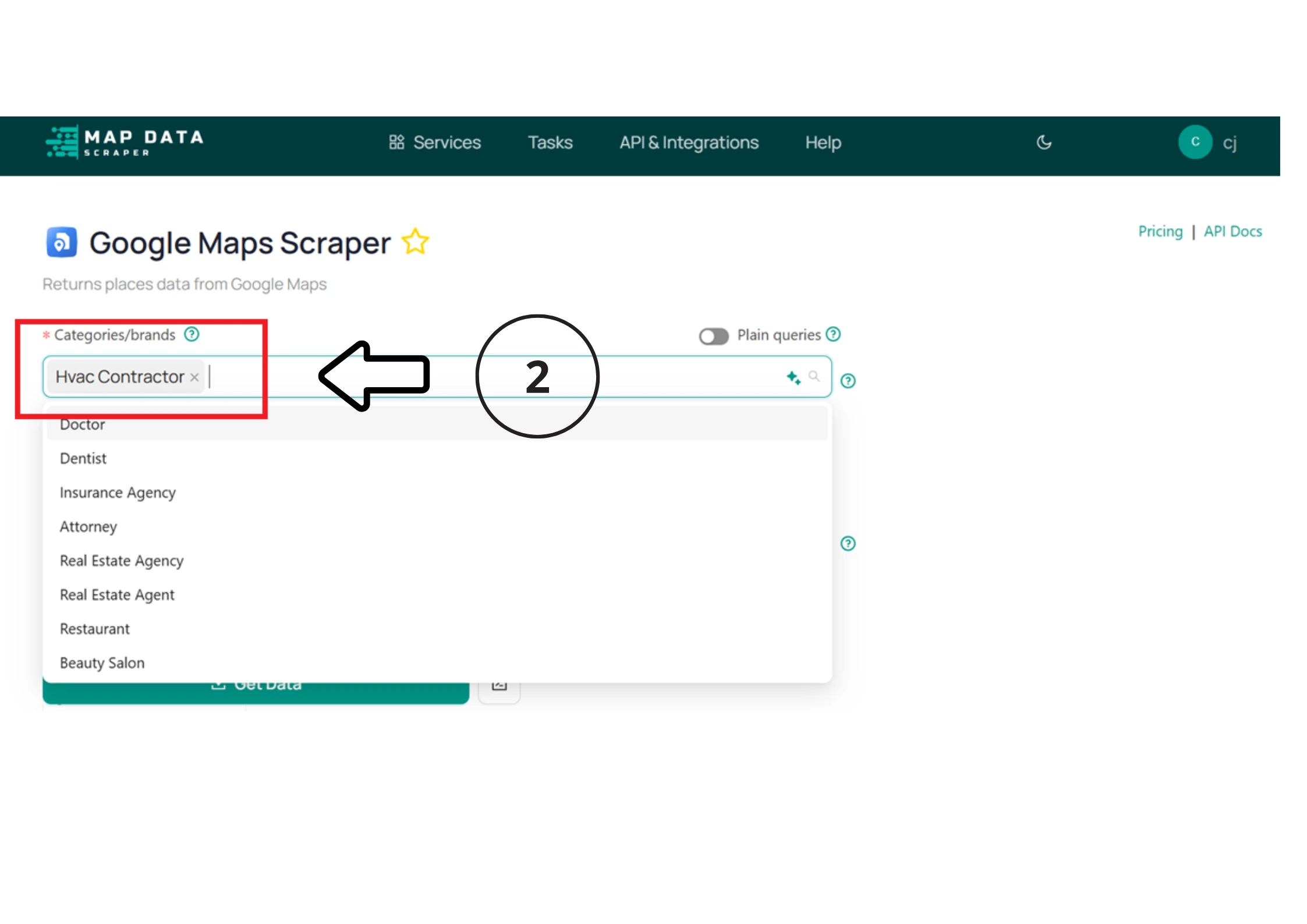
2. Fill out Categories/Brands
In this case, Google Maps Data Scraper is used. Fill out the Category/Brand, and users may find it in the drop-down “Doctor,Restaurant, F&B, Top 250, Top 500, HVAC Contractor, etc.”
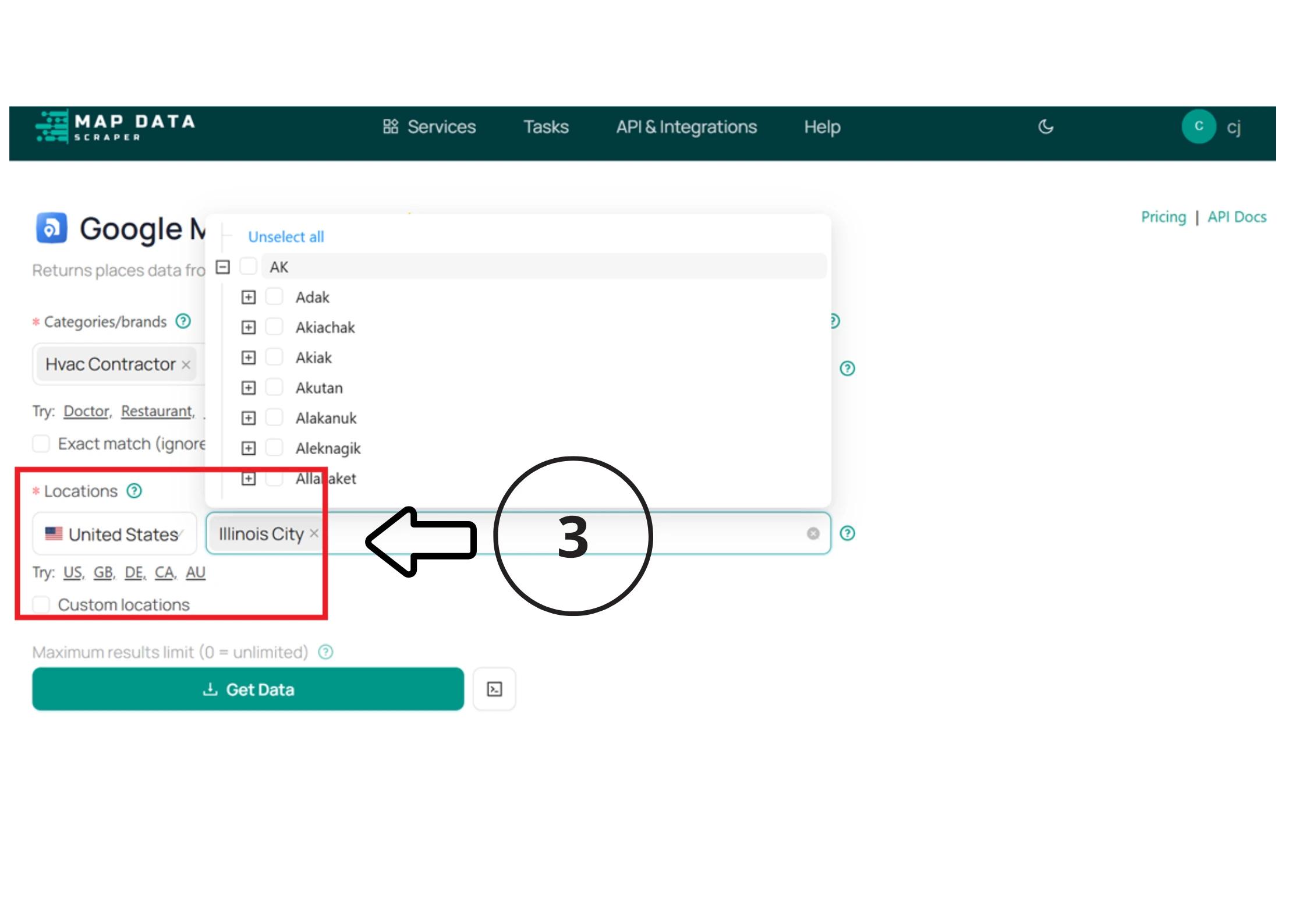
3. Manage Locations
Choose a location to narrow down the search to the desired area to look at. It may cover multiple areas or simply choose one area at a time. Custom location is also available (city or zip + country).
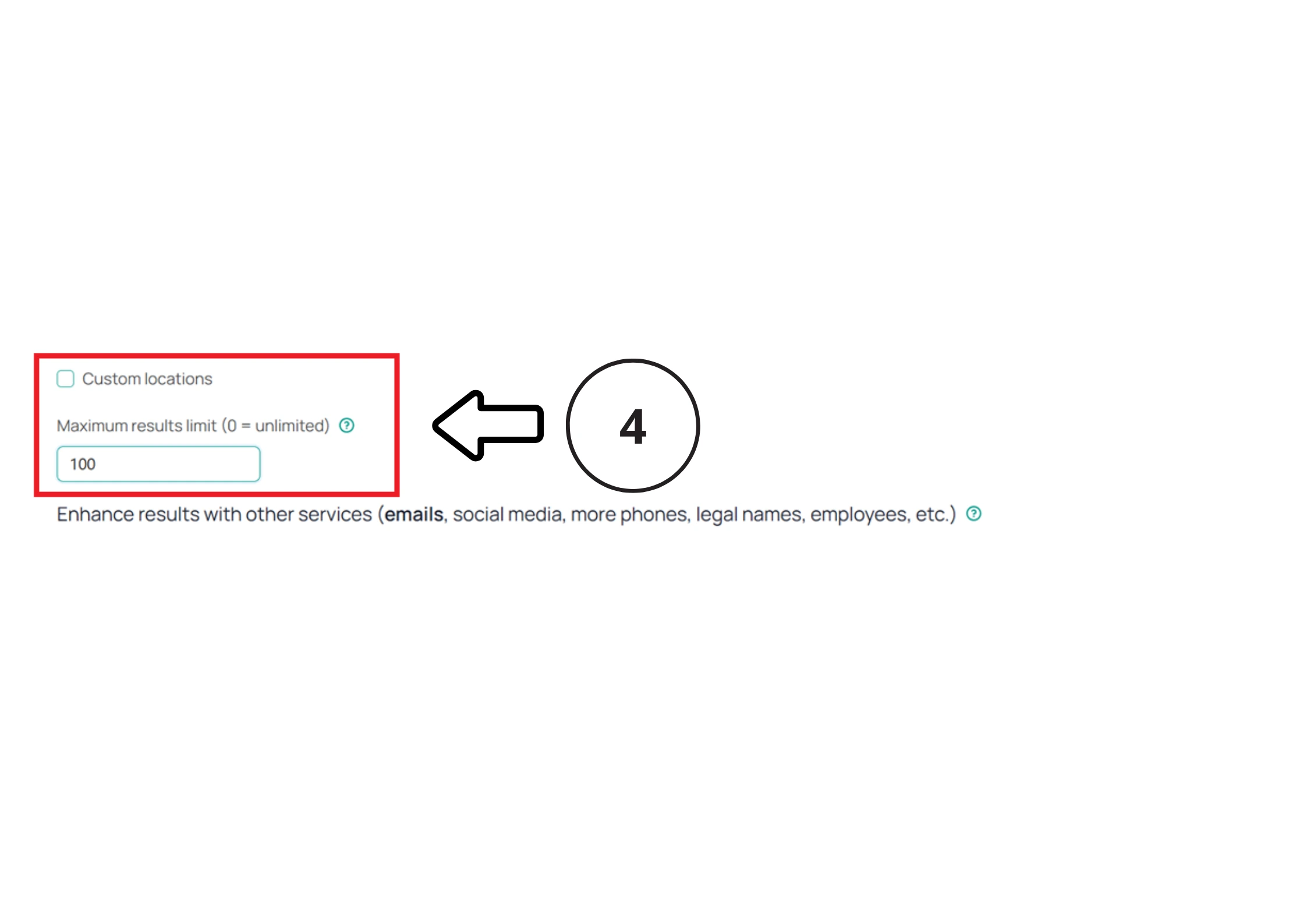
4. Check Maximum Result
For maximum results limit (0=unlimited), this parameter specifies the total limit of organizations that will be extracted from all search queries.
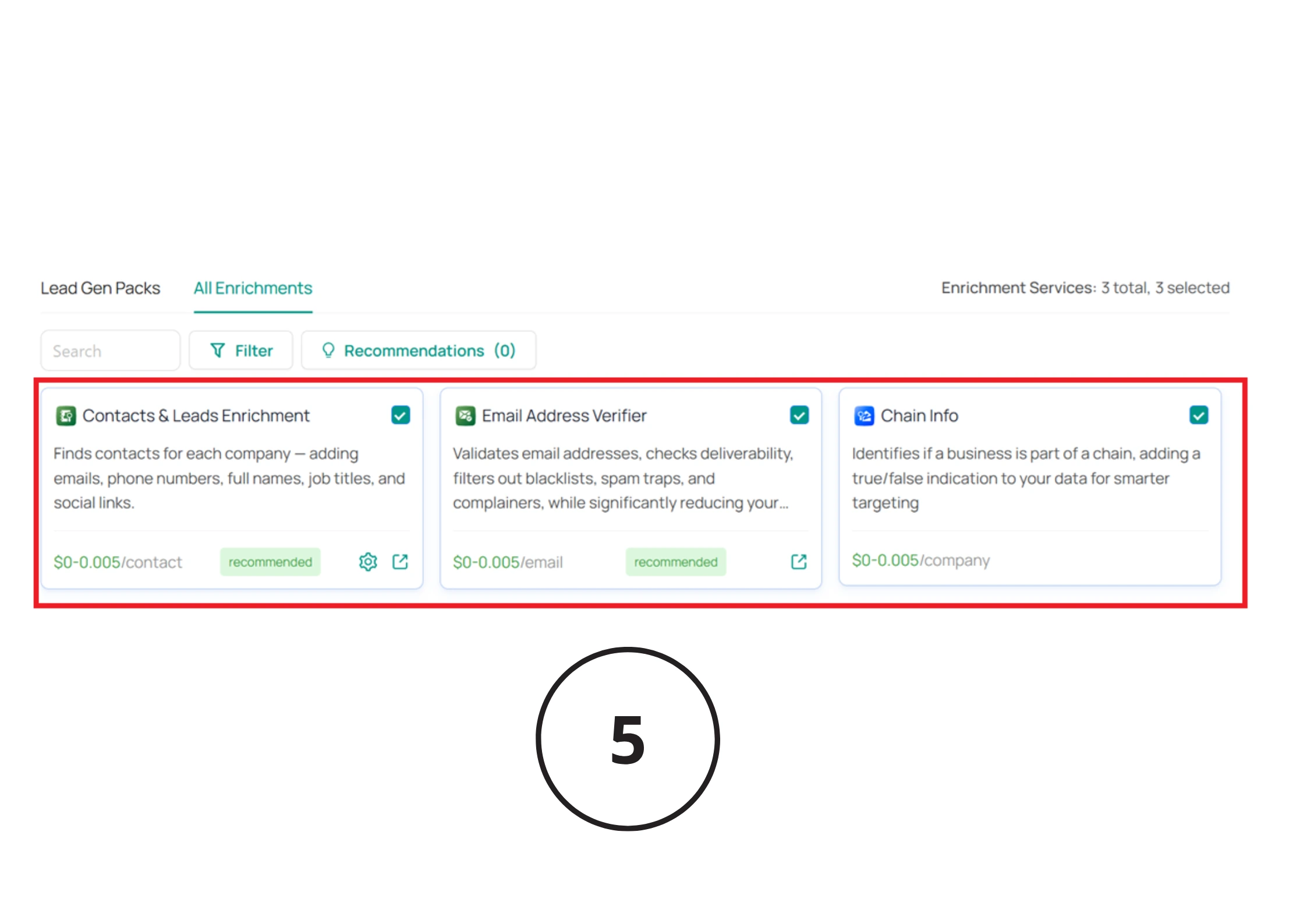
5. Choose Enrichments
Include Enrichments to Enhance results with other services (emails, social media, more phones, legal names, employees, etc.)
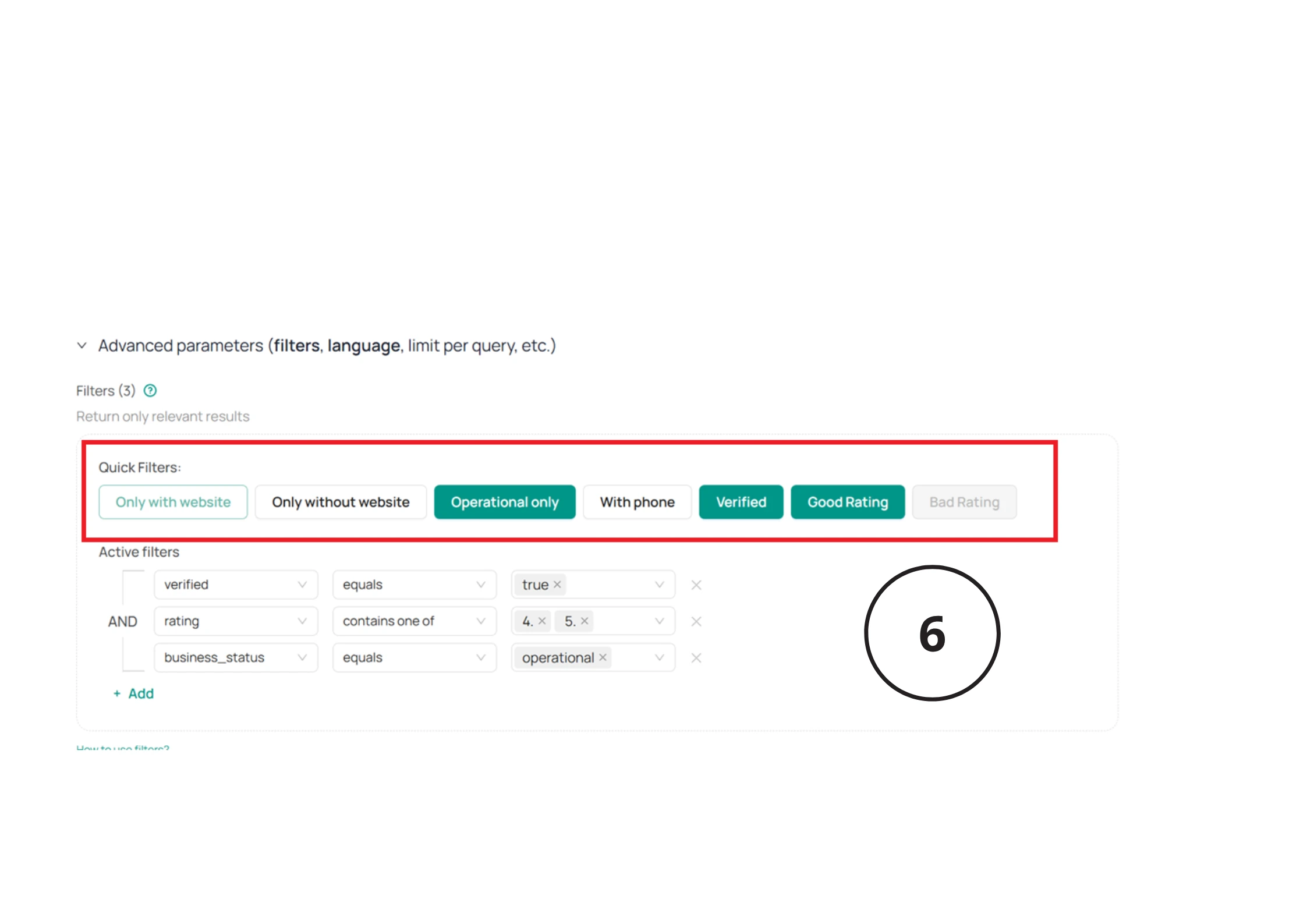
6. Add Filters
Advanced parameters (filters, language, limit per query, etc.). Users may include filters (Only with website, only without website, operational only, with phone, verified, good rating, bad rating). It has a language (En, De, Es, etc.) limit per query. Delete duplicates and can use zip codes.
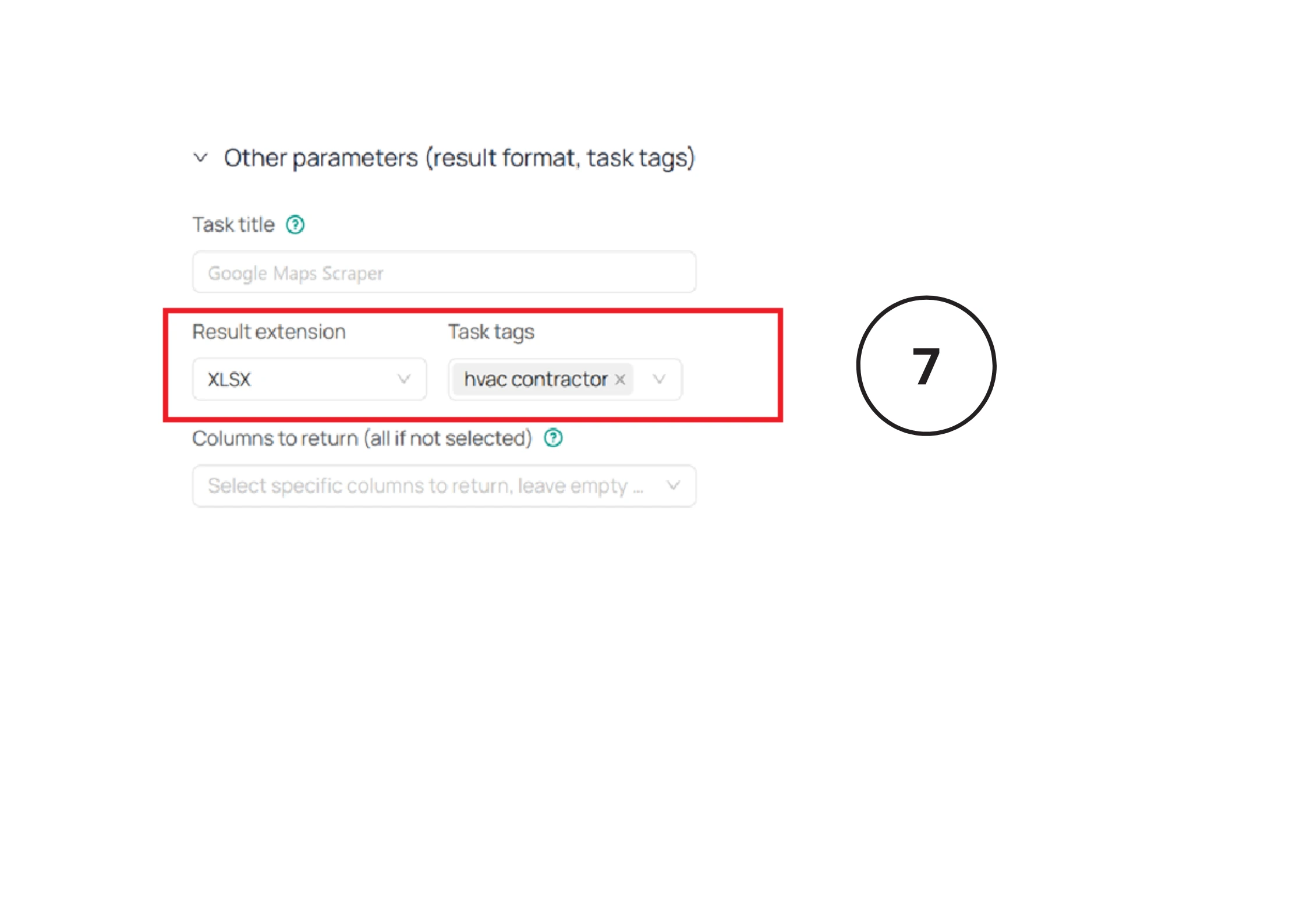
7. Format the Data
Other parameters (result format, task tags) include result format, which can be XLSX, CSV, JSON, Parquet, Task tags, and columns to return.
8. Get Data
Get data, export with clean and enriched datasets.
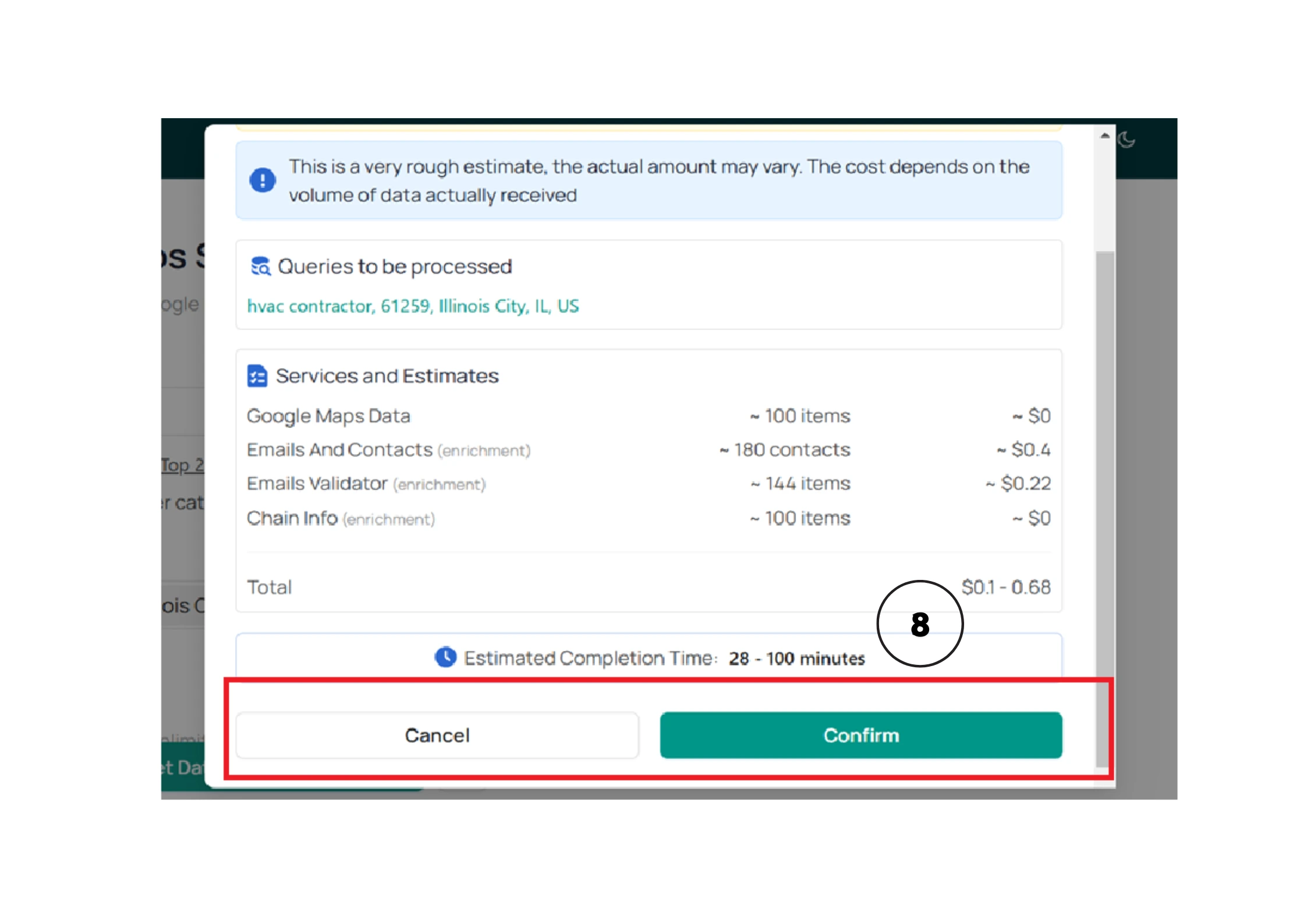
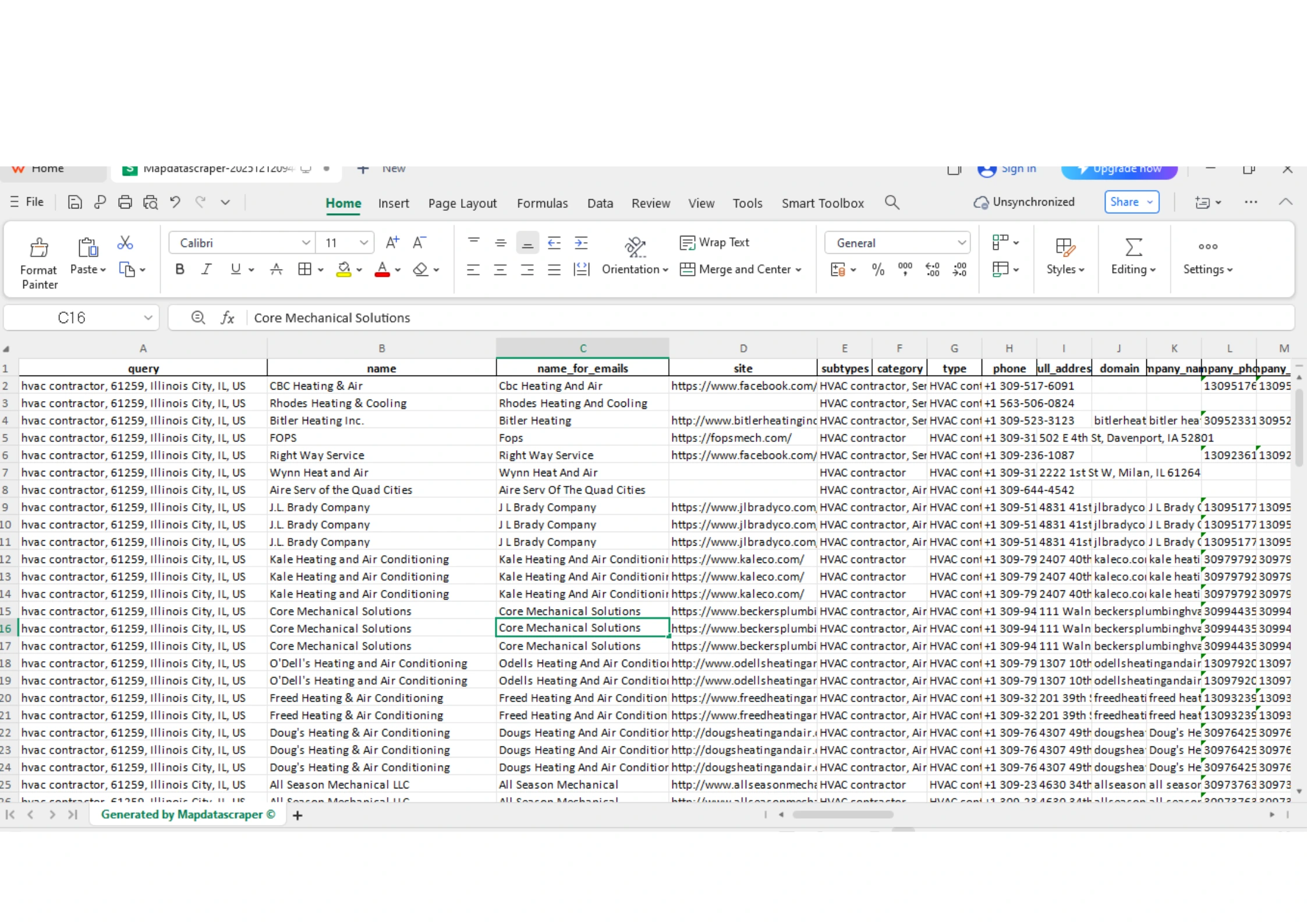
Take note: MapDataScraper has a free tier with 100 requests per month and has more features with a funded account. With a pay-as-you-go pricing model that ensures customers are charged based on the data used.
Conclusion
Google Maps Data Scraper proves to be a powerful tool for industries that rely heavily on location-based intelligence. From lead generation agencies to SaaS Companies, enterprise sales teams, SEO specialists, real estate developers, logistics operators, research firms, hospitality businesses, and service-based sectors, each industry benefits from fast, enriched, and structured datasets that eliminate manual work.
The scraper enables businesses to gather precise information such as addresses, contacts, emails, names, ratings, and operating hours, making it easier to identify opportunities, assess competition, validate market changes, and support data-based decision-making.
With MapDataScraper, getting business insights might take a few clicks, and it has a pay-as-you-go pricing model. You can be charged based on the data used to request data.
Overall, Google Maps Data Scraper (MapDataScraper) transforms publicly visible business information into actionable insights, helping organizations scale operations, refine marketing strategies, and target high-potential markets. Use this scraper to unlock opportunities for your business.
Paired with the right filters, parameters, and enrichment tools, it becomes a vital asset for growth, efficiency, and strategic planning across multiple sectors.
FAQ
Most frequent questions and answers
A Google Maps Data Scraper is a tool that automatically extracts business details from Google Maps listings. This includes business names, addresses, phone numbers, websites, categories, ratings, and more — perfect for lead generation, market research, and business directories.
Yes! You can easily download the extracted data in popular formats like CSV or Excel, making it ready for lead generation, CRM upload, or email outreach.
With our Google Maps Data Scraper, you can extract:
Business Name
Address (street, city, postal code)
Phone Number
Website URL
Business Category
Rating and Number of Reviews
Latitude & Longitude
Opening Hours (if available)
No coding skills are required! Our tool is beginner-friendly with a simple, intuitive interface. Just enter your search keywords or location, run the scraper, and download your data in CSV or Excel format.
There’s no strict limit — you can scrape thousands of business listings per run, depending on your chosen subscription plan and Google Maps result availability for your search query.